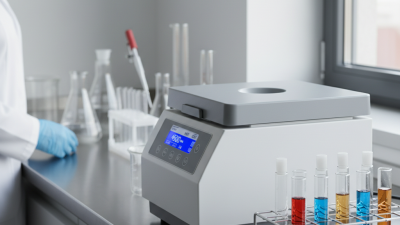
China Top 10 Laboratory Centrifuge Manufacturers
Choosing a Laboratory Centrifuge is not simply a matter of comparing maximum speed. It is a decision about sample safety, repeatability, workflow, and long-term operating cost. In China, manufacturers now offer compact benchtop models, refrigerated systems, high-speed centrifuges, and specialized rotors for clinical, research, industrial, and educational laboratories.
Centrifugation expert Dr. Theodore Svedberg once stated, “The ultracentrifuge has opened a new field of research.” His observation remains relevant today. Modern instruments must convert precise engineering into dependable daily results. Buyers should examine relative centrifugal force, speed stability, rotor materials, temperature control, imbalance detection, noise levels, and service support. A powerful motor is useful. It is not enough.
This guide reviews China’s top 10 Laboratory Centrifuge manufacturers through practical purchasing criteria. These include manufacturing experience, product range, quality systems, technical documentation, export capability, and after-sales responsiveness. Real laboratory work is less polished than a brochure suggests. Rotors age. Samples differ. Operators sometimes miss small details. That matters.
No ranking can fit every laboratory perfectly. A molecular biology facility may prioritize refrigerated microcentrifuges, while a blood-testing laboratory may need fast, repeatable separation. Some buyers may value customization more than a familiar brand. Others may choose local service over a lower initial price. Therefore, the manufacturers below should be compared against your actual protocols, workload, and available maintenance resources. The best choice is not always the fastest machine. It is the one that remains stable, safe, and supportable after years of routine use.
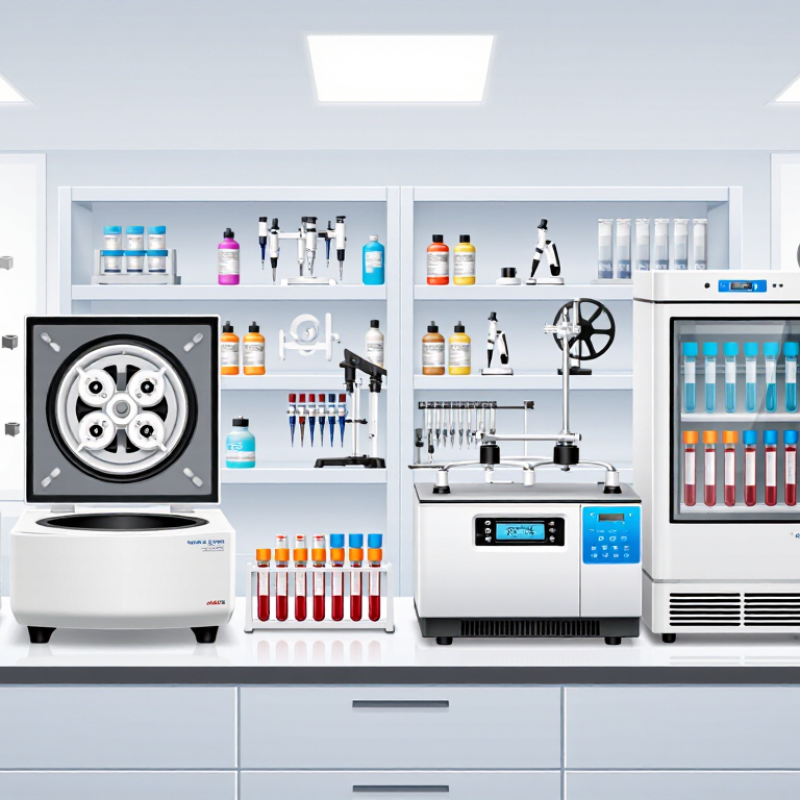
Definition and Role of Laboratory Centrifuge Manufacturers
A laboratory centrifuge manufacturer is more than an equipment producer. It develops, tests, and supports machines that separate samples through controlled centrifugal force. This process may involve blood components, cells, proteins, or other research materials. Reliable manufacturers combine mechanical engineering, temperature control, software design, and laboratory experience. Every detail matters.
A well-designed centrifuge should maintain stable speed with minimal vibration. Its rotor must withstand repeated cycles and support secure sample loading. Manufacturers also provide safety locks, imbalance detection, calibration guidance, and clear operating instructions. In daily use, a technician may notice a difference of only a few seconds between balanced tubes and unstable loading. That small detail can affect results.
Quality documentation shows professional responsibility. It may include performance tests, maintenance schedules, material specifications, and service records. Technical support is equally important when a rotor makes unusual noise or a display reports an error. No instrument is perfect. Even experienced teams can overlook cleaning routines or choose an unsuitable rotor. Manufacturers should explain these limitations honestly and help users correct them. Their role includes training, inspection advice, and long-term parts support, not only selling equipment. A dependable relationship protects sample quality and supports repeatable laboratory work.
China’s Laboratory Centrifuge Market and Manufacturing Landscape
China Top 10 Laboratory Centrifuge Manufacturers
China’s laboratory centrifuge market is expanding with clinical testing, biotechnology, food analysis, and university research. Fortune Business Insights estimated the global laboratory centrifuge market at about US$1.1 billion in 2023, with steady growth expected through 2032. China remains important because it combines large domestic demand with extensive precision-manufacturing capacity.
The country’s manufacturing landscape includes established producers, specialized engineering firms, and export-focused factories. Their strengths often include brushless motors, programmable speed control, refrigerated chambers, and adaptable rotor systems. According to China’s National Bureau of Statistics, research and experimental development spending exceeded RMB 3.3 trillion in 2023. That investment supports demand for reliable separation equipment, especially in medical and life-science laboratories.
A practical top-ten assessment should examine more than production volume. ISO 9001 systems, rotor fatigue testing, imbalance protection, temperature stability, noise levels, and after-sales support matter equally. The International Organization for Standardization emphasizes documented quality processes, yet factory claims still require independent verification. This is where market comparisons can become imperfect. Public data rarely separates laboratory centrifuges from industrial models, and published rankings may favor visibility over engineering depth. Buyers should inspect test records, service response times, and installed equipment before trusting a supplier’s catalog.
Profiles of China’s Top 10 Laboratory Centrifuge Manufacturers
China Top 10 Laboratory Centrifuge Manufacturers
Profiles of China’s Top 10 Laboratory Centrifuge Manufacturers
China’s leading laboratory centrifuge manufacturers differ in design focus, testing depth, and service capacity. Several specialize in compact benchtop units for clinics and university laboratories. Others develop high-speed systems for molecular biology, blood separation, or industrial quality control. Strong manufacturers usually provide adjustable RCF, programmable acceleration, imbalance protection, and temperature control. Their machines should handle daily workloads without excessive vibration. A stable rotor matters more than a polished brochure.
The top ten profiles often include manufacturers with different strengths. Some offer quiet microcentrifuges for small sample tubes. Others build refrigerated models with rapid cooling and broad rotor compatibility. A few focus on custom configurations, such as sealed rotors, larger capacities, or automated operation. Reliable suppliers explain test procedures clearly and provide traceable inspection records. Factory experience helps, but it does not replace evidence. Buyers should review material quality, motor performance, maintenance access, and after-sales response. My assessment would remain cautious without installation data and user feedback.
Tips: Compare RCF, not RPM alone. Check rotor capacity, noise levels, and temperature stability under real loads. Request sample test reports and confirm service coverage before purchase. Ask how imbalance alarms behave during operation. Small details can prevent costly downtime. Even experienced teams may overlook tube compatibility. That mistake is surprisingly common.
Product Categories, Technologies, and Performance Comparison
China’s top 10 laboratory centrifuge manufacturers cover several practical product categories. Benchtop centrifuges suit routine sample preparation and limited laboratory space. Refrigerated models protect temperature-sensitive materials during longer runs. Floor-standing units support higher throughput, larger rotors, and demanding workflows. Microcentrifuges handle small tubes with quick acceleration. Some suppliers also produce ultracentrifuges for advanced separation research.
Technology affects daily reliability more than impressive speed figures. Brushless motors can reduce maintenance needs and operating noise. Automatic imbalance detection helps protect samples, rotors, and operators. Programmable controls improve repeatability across repeated protocols. Refrigeration systems should maintain stable temperatures, not merely reach a low setting. Rotor compatibility is equally important. A powerful motor is less useful when available rotors are limited.
Tips: Compare maximum RCF, not only RPM. Check temperature stability under a full load. Ask for noise data at working speed. Review warranty coverage, calibration support, and spare-part availability. Performance claims can look excellent on paper. Yet results may change with rotor type, tube design, sample density, and loading habits. I would compare identical operating conditions before selecting a supplier. That step is often missed. A balanced evaluation should also consider interface clarity, emergency release design, cleaning access, and documented safety testing. Some specifications remain difficult to verify without a live demonstration, so procurement teams should record test conditions carefully.