Why is Laboratory Apparatus Essential for Scientific Research?
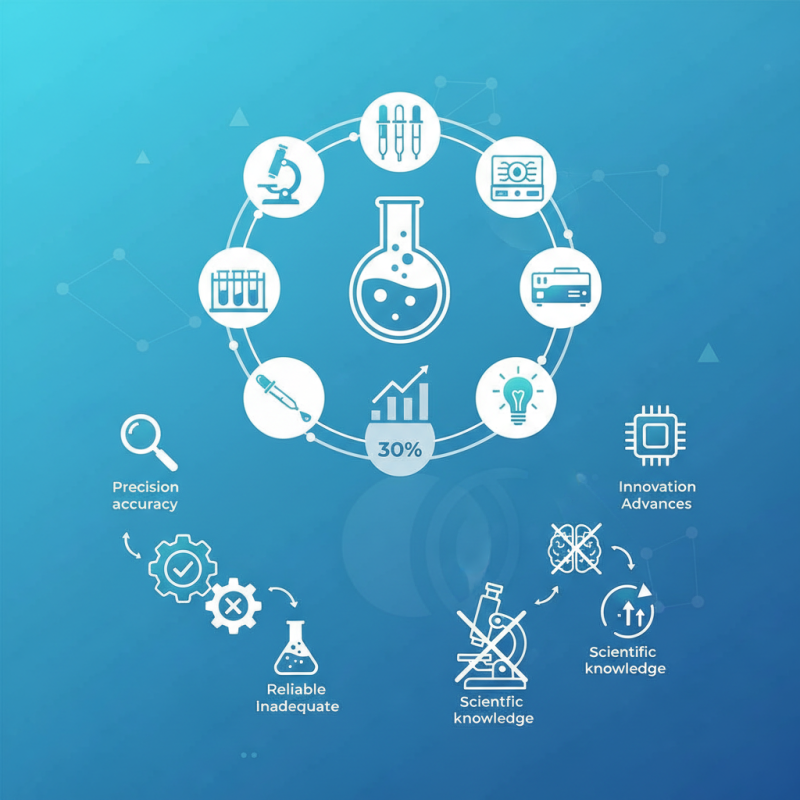
Laboratory apparatus plays a crucial role in scientific research. These tools are the backbone of experiments across various fields. For instance, a recent report by the National Science Foundation indicated that over 30% of research funding is allocated for laboratory equipment.
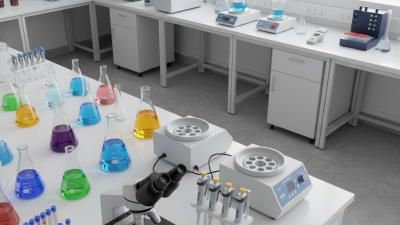
Precision instruments allow researchers to conduct experiments accurately. Without reliable microscopes, centrifuges, and pipettes, the integrity of results would face serious challenges. Inadequate laboratory apparatus can lead to errors in data collection. This is a common frustration among scientists.
Moreover, innovation in laboratory tools is vital. Advances in technology can improve efficiency and outcomes. However, many labs still use outdated equipment. This raises concerns about their research quality and reliability. Investing in modern laboratory apparatus is essential for advancing scientific knowledge and ensuring valid results.
Importance of Laboratory Apparatus in Scientific Research
Laboratory apparatus is vital for scientific research. It provides the tools needed to conduct experiments accurately. Without proper equipment, results can be unreliable. Each type of apparatus serves a specific purpose. For instance, beakers and flasks help in mixing liquids, while microscopes reveal minute details in samples.
Using the right apparatus enhances observation and measurement. This leads to clearer conclusions. However, researchers often overlook the importance of maintenance. Regular cleaning and calibration are necessary. A dirty beaker or uncalibrated scale can skew results and lead to incorrect data analysis.
Tip: Always double-check your instruments before starting an experiment. Minor adjustments can make a big difference. Also, keep a log of any issues encountered with your apparatus. This reflection can guide future experiments and improve practices. Remember, every mistake is a learning opportunity. Take it seriously, and use it to refine your research methods.
Types of Laboratory Apparatus and Their Functions
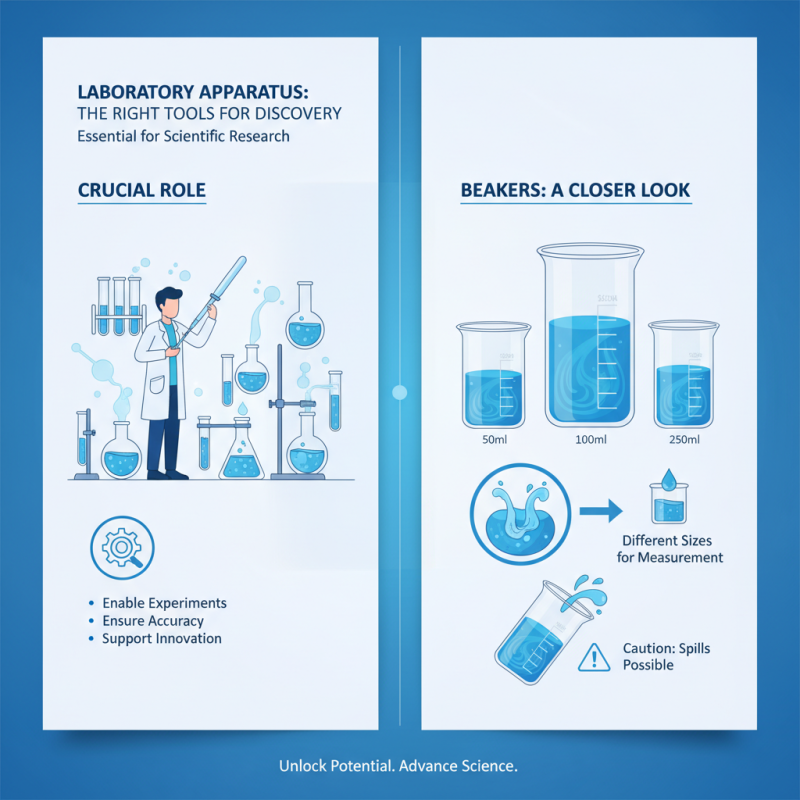
Laboratory apparatus plays a crucial role in scientific research. The right tools can make or break an experiment. There are various types of apparatus, each serving a unique purpose. For instance, beakers are used for mixing liquids. They come in different sizes, enabling precise measurements. However, they can easily spill if mismanaged.
Another essential tool is the microscope. It allows scientists to explore the microscopic world. With this apparatus, they can observe cells and bacteria. But not all microscopes provide optimal clarity. Some require proper calibration to avoid misleading results. Balance scales are vital for measuring mass accurately. They help in quantifying substances but can be tricky to use with uneven surfaces.
This diversity in apparatus is both fascinating and challenging. Each tool has specific functions that must be understood. Proper training is important. Misuse can lead to experimental errors. Attention to detail is critical. A single wrong measurement can alter findings dramatically. Understanding laboratory apparatus is essential for any aspiring researcher.
Role of Laboratory Apparatus in Experimentation and Data Collection
Laboratory apparatus plays a critical role in scientific experimentation and data collection. Each piece of equipment, from beakers to Bunsen burners, serves a unique function. These tools help ensure accuracy in experiments. Using the right apparatus can make significant differences in results. For instance, a slight measurement error can lead to incorrect conclusions.
When conducting experiments, organization is key. Keep all apparatus clearly labeled and in designated places. This reduces confusion and saves time. Make a list of necessary tools before starting your experiments. It helps to double-check that everything is in place.
Lab work is not always perfect. Equipment can malfunction, or you might misinterpret data. Reflecting on past experiments can be beneficial. Take notes on what worked and what didn’t. This practice can improve future experiments and help refine techniques. Remember, the goal of science is growth through understanding.
Impact of Laboratory Apparatus on Research Accuracy and Reliability
Laboratory apparatus plays a vital role in scientific research. It directly impacts the accuracy and reliability of the results. For instance, a report by the National Institute of Standards and Technology shows that precise measurements can improve data reliability by up to 30%. Accurate tools reduce human error, enhancing the overall quality of research.
In experimental settings, even slight variations in apparatus can lead to significant discrepancies. A study published in the Journal of Analytical Chemistry highlights that 25% of research errors stem from inadequate equipment calibration. Researchers often overlook the importance of routine maintenance and calibration, which are essential for obtaining valid data. The discrepancy caused by uncalibrated instruments can mislead conclusions.
The choice of materials also matters. Different sizes and qualities affect the sensitivity of experiments. For example, glassware of varying thickness can yield different thermal responses. Poor quality can invalidate results. Researchers must scrutinize their apparatus to ensure reliability. Neglecting this might compromise years of research. Accuracy in apparatus selection is not just a technical requirement; it is crucial for trustworthy outcomes.
Why is Laboratory Apparatus Essential for Scientific Research? - Impact of Laboratory Apparatus on Research Accuracy and Reliability
| Apparatus Type |
Function |
Accuracy |
Reliability |
Impact on Research |
| Microscope |
Visualization and analysis of small specimens |
High |
High |
Enhanced understanding of cellular structure |
| Balance |
Measurement of mass |
Very High |
Very High |
Accurate quantification of samples |
| Pipette |
Transfer of precise liquid volumes |
High |
High |
Crucial for reproducibility in experiments |
| Centrifuge |
Separation of components in fluids |
Medium |
High |
Vital for isolating cellular components |
| Spectrophotometer |
Measurement of light absorbance |
Very High |
High |
Facilitates quantitative analysis of compounds |
Advancements in Laboratory Apparatus Technology and Their Benefits
Laboratory apparatus plays a critical role in scientific research. Recent advancements have brought innovations that enhance precision and efficiency. For instance, modern pipettes allow for accurate liquid measurement, reducing human error. Such improvements not only save time but also elevate the quality of research outcomes. Enhanced digital scales provide precise measurements down to micrograms, which is crucial for experiments requiring exact quantification.
Moreover, new technology promotes collaboration among scientists. With advanced data logging devices, researchers can easily share findings in real-time. This seamless integration fosters a dynamic environment for discussion and problem-solving. Yet, despite these innovations, challenges persist. Not all researchers can access the latest tools due to funding limitations. Also, adapting to new technologies requires time and training, which can hinder progress.
Scientists must continually evaluate their apparatus and methods. Are they using the best tools available? Can they enhance their workflows with new technology? Reflecting on these questions is vital for growth. Embracing advancements in laboratory apparatus can lead to breakthroughs and more reliable results.
Advancements in Laboratory Apparatus Technology
This bar chart illustrates the number of recent innovations in various types of laboratory apparatus, highlighting the essential role these advancements play in enhancing scientific research capabilities.