Choosing the right Centrifuge Tube in 2026 requires more than checking its advertised volume. Laboratory safety, sample integrity, rotor compatibility, and workflow efficiency must guide the decision. A tube that looks suitable may fail under high relative centrifugal force (RCF). Small details matter.
Start with the centrifuge manufacturer’s specifications. Confirm the tube’s maximum RCF, dimensions, adapter fit, and operating temperature. A 15 mL tube may not fit every rotor designed for conical vessels. Check the cap seal carefully, especially when processing volatile, infectious, or valuable samples. The wrong closure can cause leakage, contamination, or sample loss.
Material selection also deserves close attention. Polypropylene offers strong chemical resistance and commonly supports routine laboratory work. Polycarbonate can provide clarity, but chemical compatibility varies. For sensitive samples, low-binding surfaces may reduce unwanted adsorption. Sterile, DNase-free, or RNase-free options may be essential for molecular workflows. Always review the supplier’s technical data and lot information.
Do not rely on appearance alone.
In real laboratories, rushed decisions often create avoidable problems. A tube may survive one spin but deform after repeated exposure to heat or solvents. I have seen practical guidance overlook labeling space, balance requirements, and cap handling. These details seem minor until a sample becomes difficult to identify. Sustainability should also be considered, but recycled materials must still meet performance and traceability requirements. This guide examines these factors and helps readers choose reliable tubes for modern laboratory applications. Its recommendations should support professional judgment, not replace validated procedures or manufacturer instructions.
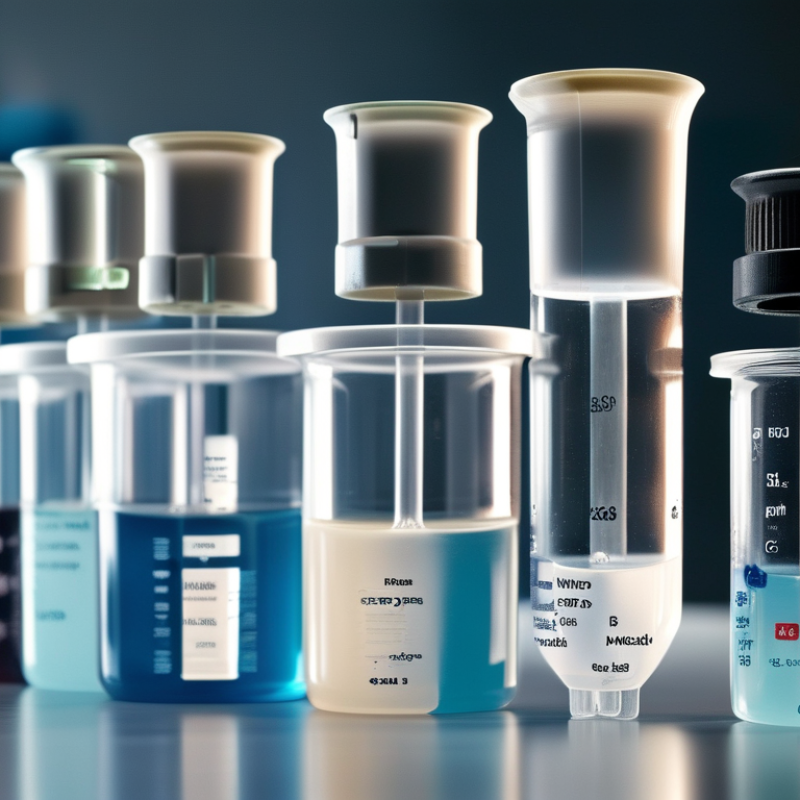
How to Choose Centrifuge Tubes in 2026?
Choosing centrifuge tubes starts with your centrifuge requirements, not the tube catalog. Confirm the rotor type, chamber limits, maximum RCF, and temperature range. A tube that fits the rotor may still fail under high acceleration. Check the manufacturer’s stated g-force, not only the revolutions per minute. Volume matters too. Leave suitable headspace for mixing and pressure changes. For dense samples, a stronger wall and secure cap can prevent leakage.
Define your experimental conditions in detail. Will the sample contain solvents, detergents, salts, or biological material? Check chemical compatibility and resistance to cracking, swelling, or deformation. For sensitive assays, consider low-binding surfaces and certified sterility. Repeated freezing and thawing can weaken some plastics. I once focused too heavily on capacity and overlooked this cycle. That choice was convenient, but not ideal. Reconsider the full workflow before ordering large quantities.
Tips: Match tube geometry to the rotor cavity. Record sample volume, temperature, RCF, and spin duration. Balance tubes by mass, not appearance. Inspect each tube for scratches or cloudy areas before use. When testing a new tube, run a small pilot with water or a low-value sample. Review the result after centrifugation: check the cap, tube wall, pellet position, and any leakage. A simple record can reveal problems that a product description misses.

Compare Tube Materials, Sizes, Shapes, and Chemical Resistance
Choosing a centrifuge tube starts with the sample, not the label on the package. In routine laboratory work, polypropylene suits many aqueous samples and repeated centrifugation cycles. It also tolerates common sterilization methods and low temperatures. Polycarbonate is clear and rigid, but some solvents can cause stress cracking. Glass offers strong chemical resistance, yet it can break under impact or sudden temperature changes.
Size affects safety and sample recovery. Small 0.5 or 1.5 mL tubes reduce waste in micro-volume protocols. Larger 15 or 50 mL tubes support cell washing, extraction, and separation steps. Always check the rotor’s approved tube dimensions and maximum relative centrifugal force. Revolutions per minute alone can mislead. A tube may fit physically but still fail under the required force.
Shape matters more than many users expect. Conical bottoms help collect pellets, while round bottoms support gentle mixing and easier resuspension. Skirted designs can improve stability during handling. Chemical resistance requires careful checking. Acetone, chlorinated solvents, strong acids, and concentrated bases may weaken certain plastics. Temperature changes add another risk. Compatibility charts are useful, but they are not perfect. Test a spare tube with the actual solvent, temperature, and exposure time when the sample is valuable. A clean appearance does not prove structural strength.
Choosing centrifuge tubes in 2026 requires more than checking volume and material. The tube must match the rotor’s geometry, speed, and locking system. Fixed-angle rotors need tubes that remain stable against angled walls. Swinging-bucket rotors often require tubes with suitable length, caps, and support adapters. A poor fit may cause bending, leakage, or uneven separation.
Start with the rotor manual, not the tube catalog. Check the allowed tube diameter, height, bottom shape, and maximum relative centrifugal force. RCF matters more than advertised revolutions per minute. Confirm whether the rotor accepts conical, round-bottom, skirted, or self-standing designs. Adapters should hold tubes firmly without crushing them. They should also tolerate the selected temperature and chemicals.
Material choice needs practical judgment. Polypropylene usually handles routine biological samples and moderate heat. Polycarbonate can offer stiffness, but some solvents may damage it. Inspect caps, seals, and threads before each run. I have seen compatibility checks focus on the sample while ignoring the cap liner. That small oversight can ruin a balanced experiment. Also, do not assume a tube rated for high speed fits every rotor. Ratings depend on radius, temperature, fill volume, and tube condition. When uncertain, run a lower-speed validation with balanced water loads. This is slower, but safer.
The chart provides a practical 0–5 design-fit score based on tube geometry, rotor orientation, bottom profile, and the need for adapters. Conical-bottom tubes are commonly suited to swing-bucket rotors, while thin-wall ultracentrifuge tubes are generally preferred for vertical and high-speed rotor designs. Always confirm the rotor manual, tube material, maximum RCF, temperature range, fill volume, and required adapter before use.
Evaluate Sterility, Strength, Sealing, and Sample Safety
Sterility should match the application, not merely the package label. A validated sterilization process commonly targets a sterility assurance level of 10−6 under ISO 11137. Check the certificate, lot traceability, and expiration date. The WHO Laboratory Biosafety Manual, fourth edition, recommends risk-based controls for specimen handling. That principle applies during centrifugation too. Small details matter. A damaged pouch or cloudy plastic deserves rejection.
Strength depends on relative centrifugal force, temperature, rotor geometry, and exposure time. Never choose by RPM alone. The tube must exceed the intended RCF with a documented safety margin. ASTM D4169 testing can help assess distribution-related stresses, but it does not replace centrifuge validation. I have seen users copy a tube’s maximum speed without checking the rotor radius. That shortcut is risky. Recheck the manufacturer’s RCF rating at your actual temperature.
Sealing protects both samples and people. The CDC and NIH Biosafety in Microbiological and Biomedical Laboratories, 6th edition, emphasize leak-resistant primary containment and secondary containment. Inspect cap threads, gasket compression, and closure torque. Sample safety also involves low binding, chemical compatibility, and controlled extractables. Consider whether the plastic tolerates solvents, freezing, and repeated temperature changes. ISO 15189:2022 stresses suitable containers and specimen integrity. Yet “suitable” is method-specific. Validate recovery with your real matrix, especially when proteins, cells, or trace analytes matter.
A cost-effective centrifuge tube is not always the cheapest tube on the shelf. Match its material, volume, and strength to your actual workflow. Polypropylene tubes suit many routine applications because they tolerate common laboratory chemicals and moderate heat. For demanding procedures, check the manufacturer’s stated g-force, temperature range, and sealing performance. Fit matters.
Before ordering, confirm rotor compatibility and tube dimensions. A tube that fits the cavity poorly can deform, leak, or interrupt a run. Do not guess. Compare the required relative centrifugal force with the tube’s certified limit, not only its revolutions per minute. This small check protects samples and reduces repeat testing.
I usually calculate cost per usable sample, including caps, racks, disposal, and failed runs. Bulk purchasing may lower the unit price, but excessive stock can expire, warp, or occupy valuable storage space. Sterile tubes may be essential for cell culture, while non-sterile options can support some controlled analytical workflows. Always verify the application requirements.
I once selected a lower-priced tube for a short protocol. Its cap was awkward to open with gloves, and handling took longer than expected. The purchase looked efficient, but the workflow was not. Pilot testing five to ten tubes can reveal leakage, labeling problems, and poor fit before a larger order. Keep those observations in your purchasing record.