How to Choose the Best Liquid Handling Solutions for Your Needs?
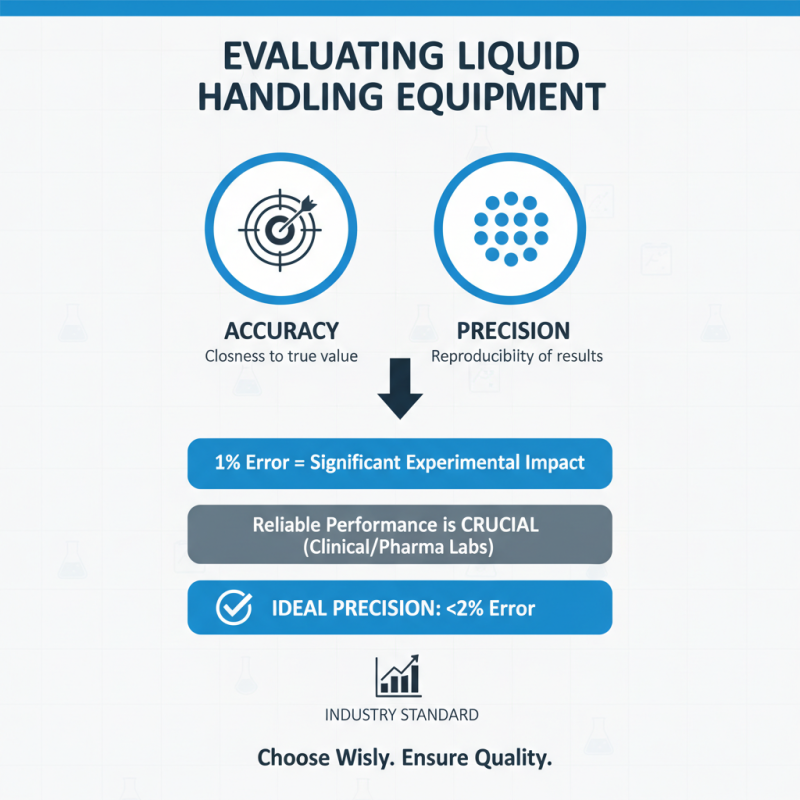
Choosing the right liquid handling solutions can be a challenge. In the fast-evolving world of laboratory operations, the demands for accuracy and efficiency are crucial. Dr. Emily Carter, a leading expert in the liquid handling industry, once said, “The choice of liquid handling tools can make or break your experimental results.” Her insight underscores the importance of selecting the appropriate equipment for your specific needs.
Many factors come into play when deciding on liquid handling solutions. Variations in viscosity, volume, and the nature of the liquids can greatly influence the choice. For instance, some techniques may require a delicate touch, while others might demand accuracy under higher pressures. It's not just about the technology; understanding the workflow and user skill levels is equally important.
Despite the abundance of options, making a decision can feel overwhelming. This complexity may lead to choosing suboptimal solutions, which can introduce inconsistencies in results. Reflecting on past experiences can guide future decisions. It is vital to balance the technical specifications with practical use, ensuring that you select liquid handling equipment that aligns with your laboratory’s specific challenges.
Understanding Liquid Handling Solutions: An Overview of Key Types
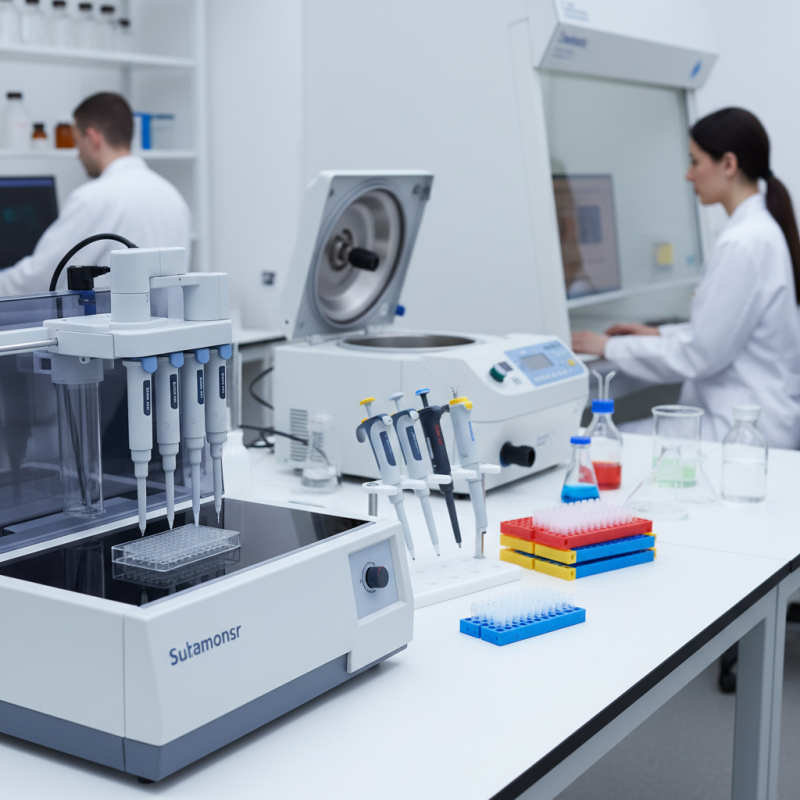
Liquid handling solutions play a crucial role in various industries, including pharmaceuticals and biotechnology. Understanding the key types is essential for selecting the right tools. Basic categories include pipettes, dispensers, and automated systems. Each type has its unique advantages and applications.
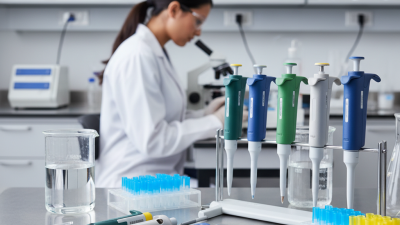
Pipettes are often the go-to choice for manual liquid transfers. They come in various volume ranges, typically from 0.1µL to 10mL. A recent market analysis indicates that manual pipettes account for approximately 36% of liquid handling tools used in labs. In contrast, automated liquid handlers are gaining popularity. They enhance accuracy and throughput, especially in high-throughput screening applications. A study noted a 50% reduction in error rates using these systems.
Not all solutions are perfect. Manual handling leads to variability in results due to human error. On the other hand, automated systems may require significant investment and training. It’s crucial to assess your specific needs, budget, and the skill level of personnel involved. Industry trends show an upward shift towards automation, driven by the demand for precision and efficiency. However, thoughtful consideration is necessary to ensure the right fit for your laboratory's requirements.
Assessing Throughput and Workflow Efficiency in Liquid Handling
Assessing throughput and workflow efficiency in liquid handling is a critical task for laboratories. Understanding how liquid handling solutions impact your processes can lead to better outcomes. High throughput is often a primary goal. When evaluating, consider the number of samples processed in a set time frame. More samples mean increased efficiency, allowing researchers to achieve their objectives faster.
Workflow efficiency is equally important. It involves analyzing how smoothly tasks progress. Bottlenecks can occur at any step, whether it's preparing samples or disposing of liquids. Identifying these pain points is essential. You might find that automating certain tasks alleviates manual strain. Observing how long each task takes can reveal areas needing improvement.
However, not all solutions will fit your lab's unique needs. Rushing to implement a new system can lead to unexpected challenges. Reflection on past choices helps avoid repeating mistakes. Engaging with team members can provide diverse insights. Collaborating can uncover hidden inefficiencies, ensuring the chosen solution truly enhances throughput and workflow.
Budgeting for Liquid Handling Solutions: Costs and ROI Analysis
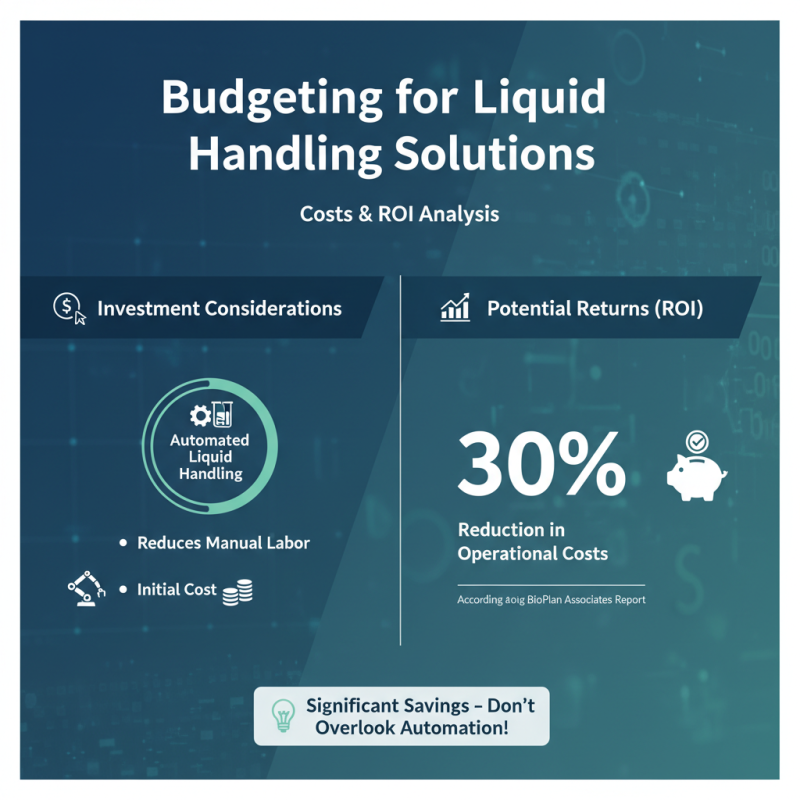
When budgeting for liquid handling solutions, understanding costs and potential returns is vital. Investments in automated liquid handling can reduce manual labor. A report by BioPlan Associates indicates that automation can cut operational costs by up to 30%. This significant saving should not be overlooked.
Implementing these solutions requires careful financial planning. Initial costs can be high. However, over time, the ROI becomes favorable, especially in high-throughput environments. A study from Lab Manager highlights that facilities can experience return rates exceeding 50% within two years post-implementation. Accurately assessing long-term benefits versus upfront costs is crucial.
Evaluating options involves considering not just immediate expenses, but also ongoing operational efficiencies. Adopting advanced liquid handling systems might reveal flaws in existing workflows. This reflection often leads to better processes. An approach focused on data analysis can refine liquid handling tasks and ensure sustained productivity. Balancing budget constraints with potential gains fosters a thoughtful decision-making process.
Ensuring Compliance: Regulatory Considerations in Liquid Handling
When it comes to liquid handling, compliance is paramount. Regulatory bodies set strict guidelines to ensure safety and accuracy. Whether you are working in research labs or industrial settings, understanding these regulations is crucial. Specific protocols protect against cross-contamination and ensure the integrity of data. Awareness of your local regulations can help avoid costly penalties.
Training and standard operating procedures play essential roles in compliance. Regular training sessions ensure that all personnel are updated on guidelines. The importance of proper documentation cannot be overstated. Missing or incorrect records can lead to serious compliance issues. Consider implementing a quality management system to track compliance effectively.
Creating a culture of compliance takes effort. Engage staff in discussions about best practices in liquid handling. Regular audits can highlight areas for improvement. It's not uncommon to face challenges in meeting regulations, and adaptability is key. Developing robust procedures can help align with evolving standards. Developing a feedback loop can also reveal compliance gaps. Remember, the goal is safety and accuracy in every step of liquid handling.