[language-switcher]

2026 Top Types of Laboratory Consumables for Global Buyers?

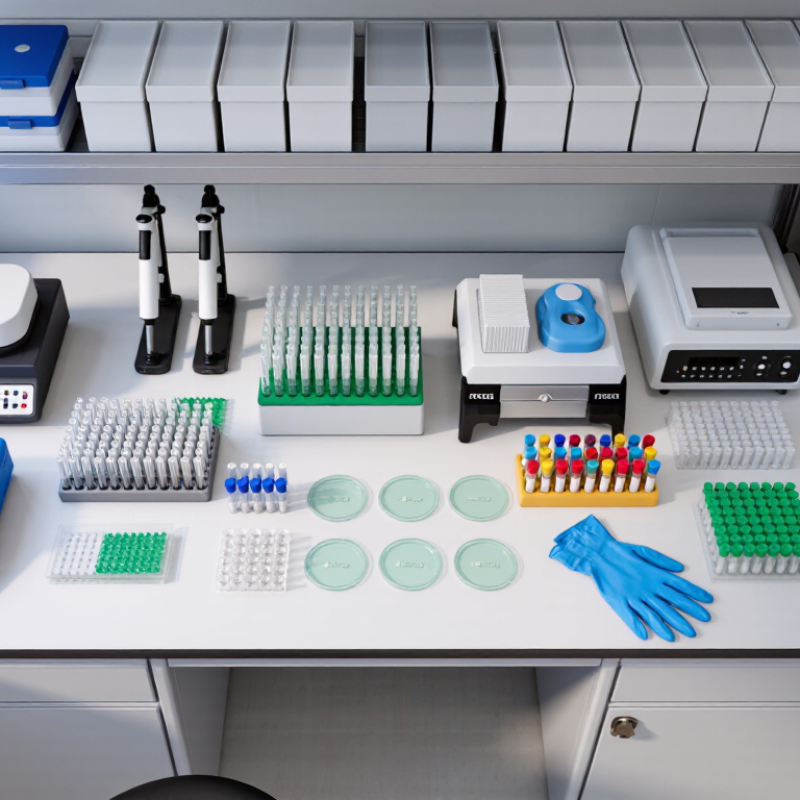
In 2026, global buyers will seek Laboratory Consumables that support accuracy, safety, and dependable workflow performance. Demand is growing across hospitals, pharmaceutical facilities, universities, food laboratories, and environmental testing centers. Typical purchases include pipette tips, microcentrifuge tubes, culture plates, sample vials, gloves, filters, and sterile containers. Each item affects results, even when it looks insignificant.

Quality decisions require more than comparing unit prices. Buyers should examine material grade, sterility claims, chemical compatibility, packaging integrity, and traceability records. A cracked tube, poorly fitting pipette tip, or damaged seal can interrupt an entire testing batch. Supplier experience also matters, especially when shipments cross borders and require stable documentation. Reliable manufacturers usually provide lot numbers, certificates, usage guidance, and clear storage conditions. Independent product testing and user feedback can strengthen purchasing confidence.

However, no category is perfect. Some low-cost products perform well in routine applications, while premium items may not suit every budget. Specifications can also appear similar but hide important differences in tolerance, resin quality, or sterilization methods. Buyers should test representative samples before committing to large volumes. Small trials help reveal leakage, deformation, inconsistent sizing, or difficult handling. That step is often overlooked. This guide examines the top types of Laboratory Consumables for global buyers in 2026. It focuses on practical selection, supplier reliability, application fit, and responsible procurement. The goal is not to promote one product blindly, but to support better decisions through evidence, experience, and careful review.
2026 Top Types of Laboratory Consumables for Global Buyers?

What Are Laboratory Consumables and Why Do They Matter in 2026?

Laboratory consumables are the everyday tools that support testing, sampling, preparation, and storage. They include pipette tips, tubes, vials, petri dishes, filters, gloves, and culture plates. These items rarely receive attention when experiments succeed. Yet a poorly fitting tip or contaminated tube can distort results within minutes.

Their importance in 2026 reaches beyond convenience. Global buyers now examine material quality, sterility, chemical resistance, dimensional consistency, and lot traceability. A reliable consumable should perform consistently across repeated procedures and different operators. Clear packaging information also helps laboratories verify expiry dates, storage conditions, and compatibility before use. Small details matter. In regulated environments, complete documentation supports audits and protects data integrity.

Sourcing decisions also involve waste, shipping stability, and supply continuity. Reduced packaging may lower environmental impact, but only when protection remains adequate. I have seen purchasing teams choose lower prices and later spend more on failed runs, replacements, and delays. That choice matters. Still, no single specification suits every laboratory. A sterile filter designed for aqueous samples may be unsuitable for aggressive solvents. Buyers should compare technical data with actual workflows, not rely on attractive claims. Independent quality records, supplier responsiveness, and practical trial evaluations offer stronger evidence than catalog language alone. Even experienced teams can overlook small compatibility problems during urgent purchasing. That weakness deserves regular review.

Which Laboratory Consumable Categories Are Most Widely Used Globally?

Across global laboratories, a small group of consumables supports most daily workflows. Pipette tips lead because accurate liquid transfer affects nearly every assay. Microcentrifuge tubes hold samples during preparation, spinning, and short-term storage. Multiwell plates support screening, dilution, and instrument-based measurements. Disposable gloves and bench liners help protect samples and staff. These products move quickly, even in modest laboratories. Usage still varies by application.

Cell culture teams commonly purchase sterile flasks, dishes, serological pipettes, and filtered tips. Molecular laboratories need PCR tubes, strip caps, extraction plates, and nuclease-free vessels. Analytical facilities often rely on vials, syringe filters, membrane filters, and sample containers. Research hospitals may use collection tubes, transfer pipettes, and cryogenic storage items. The category list looks simple. Specifications are not. Material, volume, sterility, chemical resistance, packaging, and lot consistency can change results.

Tips: Build demand estimates from actual monthly usage, not catalog popularity. Keep separate records for sterile and nonsterile items. Check tip fit with existing pipettes. Confirm temperature and chemical limits before bulk buying. A small pilot order is safer. I have seen attractive low prices create waste through poor sealing or inconsistent dimensions. Buyers should also review lot traceability, delivery stability, and packaging damage. No forecast is perfect. Leave modest safety stock, then revise it after real consumption data arrives.

2026 Top Types of Laboratory Consumables for Global Buyers

Which laboratory consumable categories are most widely used globally?

Disposable plasticware leads routine laboratory purchasing because pipette tips, microcentrifuge tubes, sample tubes, and multiwell plates are repeatedly used in molecular biology, clinical testing, pharmaceutical research, and academic laboratories. Gloves, filtration products, cultureware, and vials are also widely consumed across global workflows. The index is normalized to pipette tips = 100 and represents relative usage frequency rather than company sales or market share.

How Do Material, Sterility, and Performance Requirements Differ?

In 2026, global buyers are comparing laboratory consumables by material, sterility, and practical performance. The material must match the sample and workflow. Polypropylene suits many aqueous solutions and repeated temperature changes. Polystyrene offers clarity but may become brittle with certain solvents. Borosilicate glass supports strong chemical resistance, although it adds weight and breakage risk. Elastomeric seals also deserve attention, especially when reagents may cause swelling or extractables.

Sterility requirements depend on the application, not purchasing habit. Cell culture, molecular workflows, and sensitive microbiological testing often require validated sterile consumables. Buyers should review the sterilization method, endotoxin limits, packaging integrity, and expiration controls. Electron-beam, gamma, and ethylene oxide processes can affect different materials in different ways. A sterile label alone is not enough. Certificates and lot traceability matter. In practice, some teams check sterility but overlook packaging damage during international transport.

Performance is usually measured at the workbench. Tube dimensions must fit racks, rotors, and automated instruments. Pipette tips should provide consistent sealing, low liquid retention, and reliable dispensing. Plates need uniform wells and stable optical properties for imaging or absorbance testing. Temperature resistance is equally important for freezing, thawing, and centrifugation. A perfect specification sheet can still hide usability problems. Small dimensional variations may create leakage, poor sealing, or robotic errors. Buyers should compare samples, test representative lots, and record failures honestly. That process is slower, but it often reveals requirements that were missed during initial procurement.

How Should Global Buyers Evaluate Quality, Compliance, and Suppliers?

2026 Top Types of Laboratory Consumables for Global Buyers

Global buyers should evaluate consumables beyond appearance and price. A clear tube may still release unwanted chemicals or fail under centrifugation. Check dimensional consistency, material grade, sterility status, and packaging integrity. Request a certificate of analysis, batch records, and documented testing methods. Lot numbers should remain traceable from production to delivery. In practice, small details matter: a loose cap, faded label, or damaged sterile pouch can disrupt an entire workflow.

Compliance depends on the product’s intended use and destination market. Ask suppliers for relevant declarations, safety data, quality certifications, and validation evidence. Confirm whether products support molecular testing, cell culture, clinical workflows, or general research. Supplier audits should examine environmental controls, contamination prevention, complaint handling, and change-notification procedures. Reliable suppliers communicate material changes before shipment. That is not always guaranteed. Buyers should document every approval and review it periodically.

Tips: Ask for evidence, not promises. Compare samples from different batches. Test fit, clarity, sealing, and performance under real operating conditions. Review lead times and backup capacity. Keep approved specifications in writing. A lower unit price may become expensive when inconsistent consumables create retesting, delays, or discarded samples. Get technical answers in writing.

What Purchasing Trends Are Shaping Laboratory Consumables in 2026?

Laboratory consumables purchasing is becoming more data-driven in 2026. Buyers are comparing total cost, not only the unit price. A low-cost pipette tip can create waste if sealing is inconsistent. Many laboratories now review rejection rates, delivery records, and user feedback before approving suppliers. Practical experience shows that stable quality often matters more than a small discount.

Demand is rising for automation-ready consumables, including low-retention tips, deep-well plates, sterile tubes, and barcoded cryovials. These products support robotic workflows and reduce manual handling. Compatibility is critical. A plate that fits one instrument may fail on another. Purchasing teams are requesting sample testing, dimensional data, and batch documentation before placing large orders. This step slows procurement slightly. It prevents expensive disruption later.

Sustainability is also influencing buying decisions. Laboratories are asking for reduced packaging, recyclable materials, and clearer disposal guidance. However, environmental claims require careful review. A lighter package is not automatically a greener option if it increases contamination or product damage. Buyers are examining transport conditions, shelf life, and storage requirements together. Traceability remains essential, especially for sterile and temperature-sensitive items. Digital inventory systems can identify expiry risks and trigger replenishment earlier. Still, no forecast is perfect. Unexpected research demand, shipping delays, or changing safety requirements can quickly affect purchasing plans. Flexible contracts and regional backup stock are becoming practical safeguards.

2026 Top Types of Laboratory Consumables for Global Buyers? - What Purchasing Trends Are Shaping Laboratory Consumables in 2026?

Laboratory Consumable Type Typical Applications Common Materials Purchasing Priority in 2026 Key Buyer Requirements Main Purchasing Trend
Micropipette Tips Liquid handling, PCR preparation, molecular biology, cell culture, analytical workflows Polypropylene; low-retention and conductive grades are also used Very High Dimensional consistency, fit with pipettes, low liquid retention, sterility, certified DNase/RNase-free options Greater demand for automation-compatible, filtered, low-retention and contamination-controlled formats
PCR Tubes and Microplates PCR, qPCR, genotyping, sequencing preparation and high-throughput nucleic-acid workflows Optical-grade polypropylene and compatible sealing films Very High Low evaporation, optical clarity for qPCR, uniform well geometry, thermal cycling compatibility and secure sealing Expansion of high-throughput testing and preference for plate formats compatible with liquid-handling robots
Centrifuge Tubes Sample preparation, centrifugation, storage, extraction and cell-processing workflows Polypropylene; polyethylene is used for selected caps and components Very High Verified maximum relative centrifugal force, leak resistance, chemical compatibility, sterile packaging and traceability More emphasis on validated performance, tamper evidence and formats suitable for biobanking and clinical workflows
Cell Culture Flasks, Dishes and Plates Mammalian cell culture, vaccine research, drug discovery, tissue engineering and microscopy Polystyrene; specialized surfaces may include treated or coated polymer layers High Consistent surface treatment, sterility assurance, low extractables, gas exchange and clear imaging surfaces Demand is supported by biologics research, cell-based assays and increased use of standardized culture formats
Serological and Transfer Pipettes Aseptic liquid transfer, media preparation, cell culture and general laboratory handling Polystyrene; polypropylene is used for some applications High Graduation accuracy, smooth fluid flow, sterile packaging, low particulate levels and secure pipette-aid compatibility Bulk procurement, reduced packaging waste and reliable supply continuity remain important to high-volume laboratories
Sample Collection and Storage Vials Biological sample collection, reagent storage, cryogenic storage and biobanking Polypropylene, polyethylene and borosilicate glass High Temperature resistance, low binding, chemical compatibility, secure closure, barcode readability and long-term stability Growing focus on traceability, standardized identification and storage performance across cold-chain environments
Filtration Units and Membrane Filters Sterile filtration, sample clarification, media preparation, environmental testing and analytical workflows Polyethersulfone, cellulose acetate, nylon, polytetrafluoroethylene and polyvinylidene fluoride High Pore-size accuracy, chemical compatibility, flow rate, low extractables and validated bacterial retention where required Buyers increasingly compare lifecycle cost, throughput and application-specific membrane compatibility rather than unit price alone
Laboratory Gloves and Personal Protective Consumables Personnel protection, contamination control, chemical handling and cleanroom operations Nitrile, neoprene, latex and polyethylene, depending on application Very High Barrier performance, chemical resistance, low allergens, tactile sensitivity, sizing consistency and relevant safety documentation Procurement is balancing protection, worker comfort, supply resilience, packaging efficiency and environmental considerations
Petri Dishes and Disposable Cultureware Microbiology, colony growth, cell culture, environmental monitoring and education laboratories Polystyrene, polypropylene and glass for reusable formats Medium to High Flatness, optical clarity, sterility, stackability, surface uniformity and resistance to handling damage Demand is shifting toward application-specific surfaces, efficient packaging and lower material consumption where feasible
Disposable Reservoirs and Automation Consumables Automated liquid handling, high-throughput screening, diagnostic preparation and laboratory robotics Polypropylene and polyethylene, with conductive or treated versions for selected systems High Instrument compatibility, low dead volume, dimensional precision, barcode support and contamination control Automation, labor efficiency, workflow standardization and data traceability are increasing demand for compatible consumables
Laboratory Wipes, Swabs and Cleanroom Consumables Surface cleaning, contamination monitoring, aseptic processing and controlled-environment maintenance Polyester, polypropylene, cellulose and blended nonwoven materials Medium to High Low lint, absorbency, chemical compatibility, sterility where required and packaging suitable for clean environments Cleanroom, pharmaceutical and life-science facilities are placing more weight on particulate control and documented quality
Cross-category purchasing signals for 2026: Buyers are prioritizing supply continuity, lot traceability, sterility assurance, automation compatibility, validated performance, material transparency, packaging efficiency and total cost of ownership. Requirements vary by application, region and regulatory environment, so technical specifications should be confirmed before purchase.

Inquiry Form